
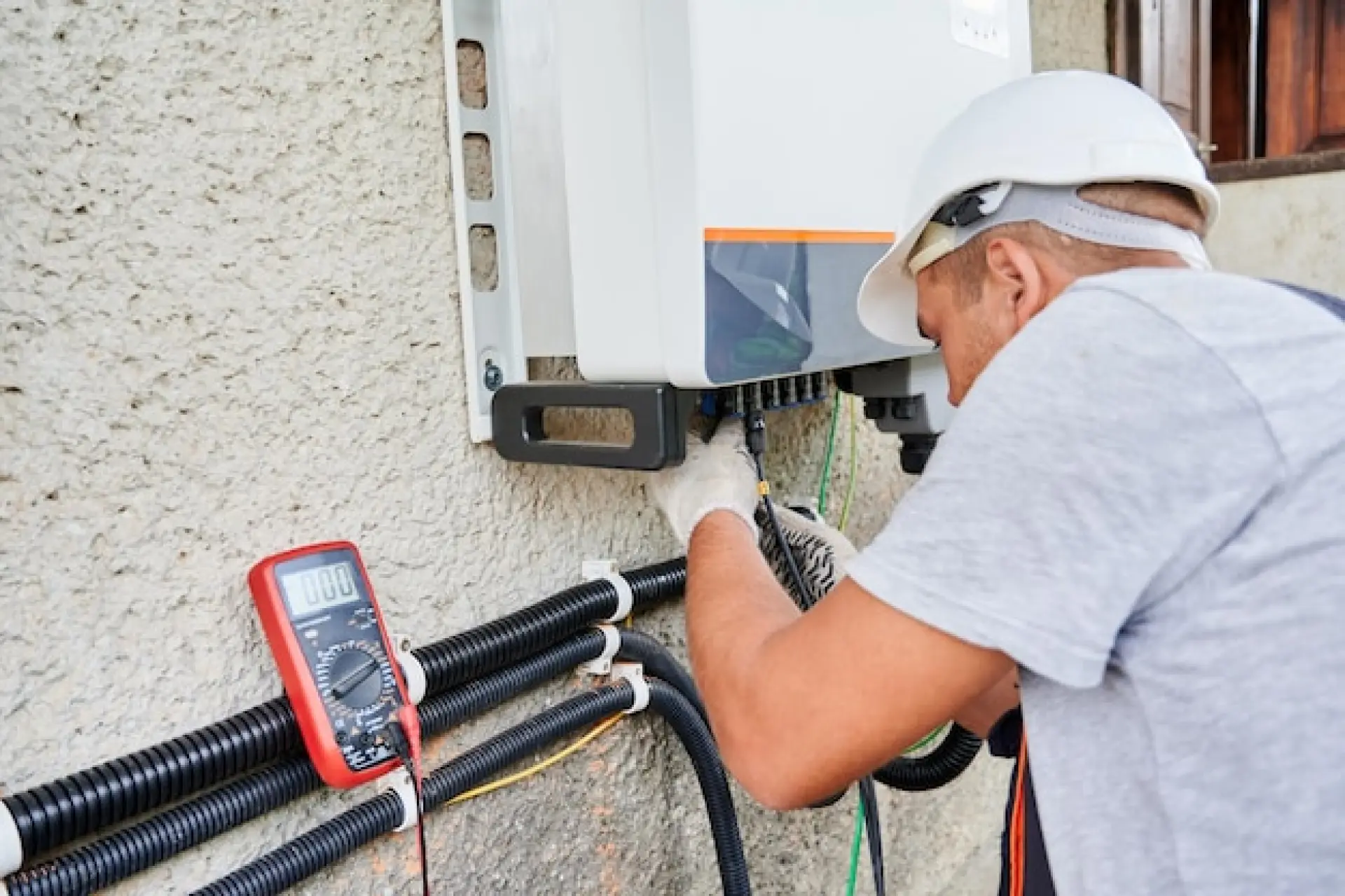
We look at Air Source Heat Pumps vs Gas Boilers: explore the differences in installation, running costs, and cold weather performance to make an informed choice.
Choosing a heating system is a big decision. It affects your comfort, your bills, and how much work is needed in your home. This article compares air source heat pumps and gas boilers in a clear way, using the same points for each.
How each system heats your home
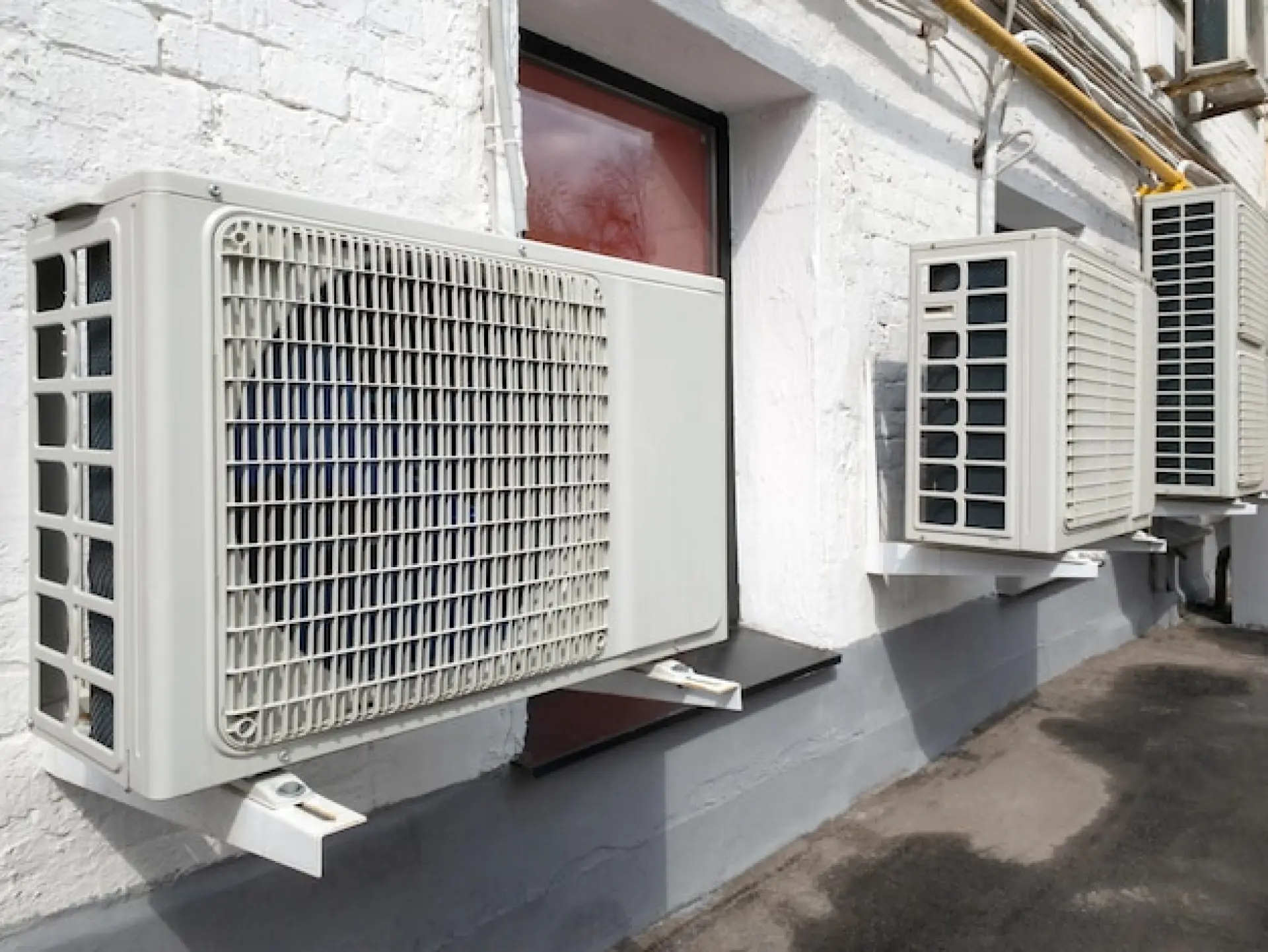
An air source heat pump takes heat from the outside air and moves it indoors. Even when the air feels cold, it still contains some heat energy. The system uses electricity to run a compressor and a pump, which helps move that heat into your home.
A heat pump works best when it can send out gentle, steady warmth for longer periods. That is why it often pairs well with larger radiators or underfloor heating. Instead of blasting very hot water for short bursts, it usually keeps a more constant indoor temperature.
A gas boiler makes heat by burning gas. The flame heats a metal heat exchanger, which warms water that flows through your radiators. The boiler can raise the water temperature quickly, so rooms can feel warmer soon after the heating turns on.
Most gas boilers also heat water for taps and showers, either through a hot water cylinder or with a combi boiler that heats water as you use it. This can feel familiar because the hot water can arrive fast and at high temperature, depending on the boiler type and your plumbing.
Upfront cost and installation time
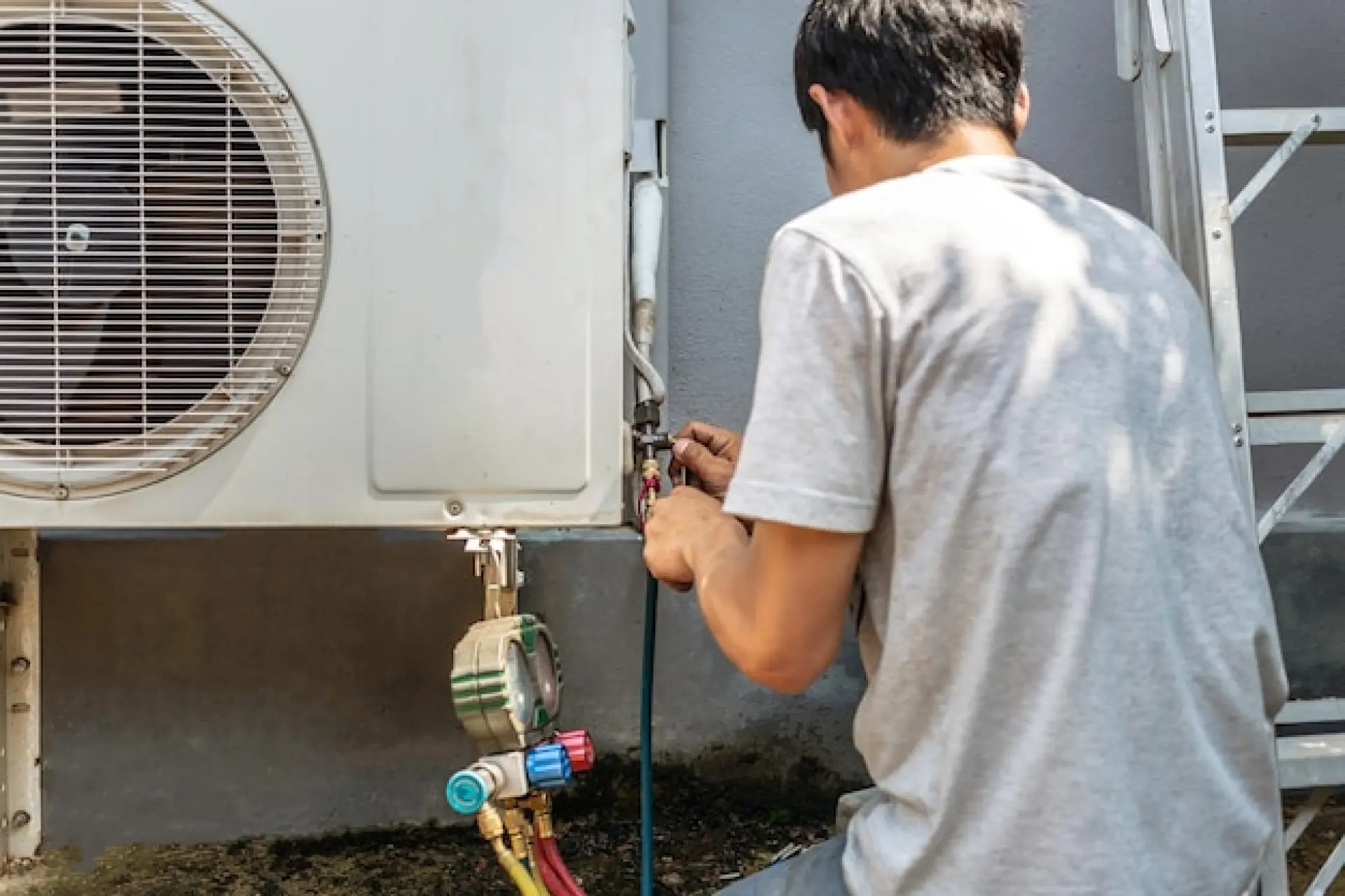
An air source heat pump usually costs more to buy and fit than a gas boiler. The unit outside, the indoor equipment, and any changes to radiators or pipework can add to the price. If your home needs better insulation, that can also raise the total cost.
Installation can take longer because the system needs careful design. The installer may need to check heat loss in each room, choose the right size of unit, and set up controls properly. All this planning matters because a heat pump that is too small may struggle, while one that is too big may run less efficiently.
A gas boiler is often much cheaper at the start, especially if you already have gas connected and an older boiler is being replaced like-for-like. Many homes already have suitable radiators and pipework, so less extra work is needed. This can keep the job simpler and quicker.
Fitting a new boiler can sometimes be done in a day, although it can take longer if the flue must be moved, the gas pipe needs upgrading, or a system boiler is changed to a combi. Extra safety checks and paperwork are still important, but the overall process is usually familiar to many installers.
Running costs and energy bills
Running costs depend on energy prices, how well your home holds heat, and how you use your heating. A heat pump uses electricity, so the cost can rise if electricity is expensive. Even so, it may still be a lot cheaper to run if the system is set up well and your home is insulated.
Heat pumps often save money when they run steadily at lower temperatures. Turning the heating on and off sharply can make them work harder. Many people find that small adjustments, like keeping rooms at a stable temperature, help keep bills under control.
Gas boilers use gas, which has often been cheaper per unit of energy than electricity. This can make bills lower in some homes, especially if the boiler is modern and well-maintained. A boiler may also suit people who prefer short heating periods, such as warming the house in the morning and evening.
However, costs can change if gas prices rise or if a boiler is old and inefficient. Boilers can also waste heat through the flue, and small problems like poor settings or sludge in radiators can make them burn more gas than needed. Regular servicing and good controls can help avoid unnecessary spending.
Which gives more heat for the energy used?
Heat pumps produce more heat energy than the electrical energy they take in. This is because they move heat rather than generating it solely from fuel. To put it simply, one unit of electricity can be used to supply several units of heat for your home. The specific amount usually depends on outdoor temperature, the water temperature the system needs, and how well it is installed by local professionals.
This advantage typically works best when the heating system can work with cooler water. Larger radiators, underfloor heating, and well-insulated rooms all help, as they need less heat to stay comfortable. When the system does not have to push the water temperature too high, it can run much more efficiently.
A gas boiler turns the energy in gas into heat by burning it. Some energy is always lost, mainly through hot gases leaving the flue. Modern condensing boilers reduce these losses by taking extra heat from the exhaust, but they still cannot deliver more heat than the energy in the gas they burn.
The efficiency also depends on how a boiler is used. A boiler running for short bursts can waste energy while it starts and stops. It also works best when it can condense properly, as this will allow it to return cooler water to the boiler. Good settings, correct radiator balance, and proper controls can make a noticeable difference.
How well they work in cold weather
Air source heat pumps still work in cold weather, but they may find it harder to pull heat from colder air. As the outside temperature drops, the system may need to run longer or use more electricity to deliver the same warmth. In some homes, a backup heater is fitted for very cold days.
Cold weather performance improves when the home is well insulated, and draughts are reduced. If less heat escapes, the heat pump does not need to work as hard. This can help keep rooms comfortable even when it is near freezing outside.
Heat pumps also need to manage ice that can form on the outdoor unit. They do this with a defrost cycle, which temporarily reverses the system to melt ice. During defrost, heating output can dip for a short time, but a well-designed system limits the impact inside the home.
Gas boilers tend to cope well with cold spells because they can raise the water temperature quickly. When it is very cold, a boiler can deliver hotter water to radiators and respond fast to changes. The main limits are the size of the boiler, the condition of the heating system, and whether the home loses heat quickly through poor insulation.
We offer a full range of professional plumbing and heating services, including central heating installation, emergency plumbing, bathroom fitting, and boiler repairs in Bournemouth, Poole and Wimborne.
Our Plumbing And Heating Engineers provide reliable, high-quality solutions for homes and businesses. Contact our Heat Pump Installers today for expert service.
Related Articles
Can an Air Source Heat Pump Save You Money